

What is Labiaplasty?
Labiaplasty is a surgical procedure to reduce the size of the labia minora or labia majora for functional comfort or cosmetic balance. Knowing what to expect during recovery helps you plan, reduces worry, and improves satisfaction with your results. This guide walks through typical timelines, pain management, practical aftercare, and potential risks to help you prepare for a smoother healing process.
How Long Is the Typical Labiaplasty Recovery Timeline?
Recovery after labiaplasty varies from person to person, but most people can anticipate returning to everyday activities within 4–6 weeks. Early improvements are usually noticeable within days to weeks, while complete tissue settling and final results may take several months. Understanding these stages makes it easier to set realistic expectations. Because healing differs for everyone, personalized follow-up and realistic expectations are essential components of a successful recovery.
Labiaplasty Recovery: Varied Healing Timelines & Expectations Healing timelines differ by individual. Selecting an experienced provider and maintaining realistic expectations throughout recovery are both important to achieving the best outcome.
What Are the Healing Stages After Labiaplasty?
The recovery process commonly unfolds in three stages:
- Initial Healing Phase: Typically the first week after surgery, when swelling and soreness are most noticeable. Rest and limited movement are recommended.
- Mid‑Recovery Phase: Weeks two through four, when swelling decreases and comfort improves. Light daily activities can often be resumed with care.
- Final Recovery Phase: Around weeks four to six most people return to normal routines, including exercise as advised by their surgeon. Full resolution of swelling and final tissue contouring can continue for up to three months.
When Can Normal Activities and Exercise Be Resumed?
Return to activity should be gradual and guided by your surgeon. Light activities are usually safe after two weeks; higher‑intensity exercise and heavy lifting should generally wait until at least four to six weeks. Listen to your body and follow post‑operative instructions to avoid setbacks.
How Can Pain and Swelling Be Managed After Labiaplasty?
Pain levels after labiaplasty are often described as pressure, tenderness, or burning rather than sharp pain. Discomfort is typically highest within the first 72 hours and steadily improves thereafter. Pain that is worsening after day 5, accompanied by fever or foul‑smelling discharge, may indicate infection and warrants prompt evaluation.
What Pain Is Normal After Labiaplasty?
Mild to moderate discomfort is common in the first days to weeks and is typically well controlled with prescribed medications. Be alert for warning signs — sharp, worsening, or persistent pain — and contact your provider if you notice those symptoms.
What Are Effective Labiaplasty Pain Relief and Swelling Reduction Tips?
Practical steps to ease pain and swelling include:
- Medications: Take pain relief exactly as prescribed to keep discomfort manageable.
- Cold Compresses: Short, careful applications of cold packs can reduce swelling and soothe the area.
- Rest: Prioritize rest and avoid movements that put pressure on the surgical site.
What Are Essential Aftercare Instructions for a Smooth Labiaplasty Healing Process?
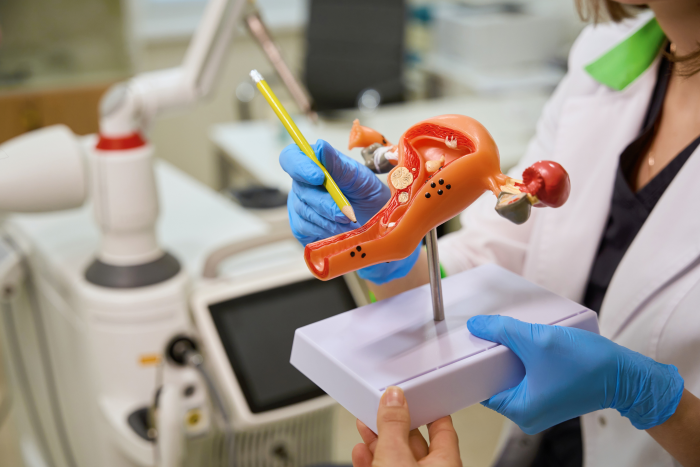
Adhering to aftercare instructions reduces complications and supports consistent healing. Clear guidance and steady follow‑up are key.
How Labiaplasty Wounds Should Be Cared For
Caring for the incision area typically includes:
- Cleaning: Gently wash with mild soap and water as instructed; avoid harsh products.
- Dressing Changes: Replace dressings according to your surgeon’s plan to keep the area clean and dry.
- Monitoring for Infection: Watch for increased redness, swelling, warmth, or unusual discharge and report concerns promptly.
What Precautions Help Prevent Complications During Recovery
To lower the risk of complications, patients should:
- Avoid Strenuous Activities: Skip heavy lifting and vigorous exercise for at least six weeks or as advised.
- Follow Medical Advice: Stick to your surgeon’s post‑op instructions, including wound care and medication schedules.
- Communicate with Healthcare Providers: Reach out quickly if you notice anything unexpected during recovery.
Advanced techniques, including some laser‑assisted approaches, may reduce tissue trauma and help streamline recovery when used appropriately.
Laser Labiaplasty: Outcomes, Complications, and Expedited Recovery When applied skillfully, laser technology can reduce tissue trauma and lower infection risk, potentially shortening recovery. Surgeon expertise and individualized care remain the most important factors for safe, successful outcomes.
When Should You Contact Your Provider About Labiaplasty Recovery Risks?
Knowing when to seek medical advice is important. If you experience signs of infection, unusual bleeding, severe pain, or changes in sensation, contact your provider promptly to ensure timely care.
What Are Common Risks and Complications After Labiaplasty?
Common risks include:
- Infection: Treatable when identified early, but requires prompt attention.
- Scarring: Scars can be visible initially and typically soften and fade over time.
- Long‑term Complications: Less commonly, patients may notice persistent sensitivity changes or asymmetry that require follow‑up.
Attention to the vascular anatomy of the area is essential, since preserving blood supply directly affects wound healing and complication risk.
Labiaplasty: Vascular Anatomy & Wound Healing Risks The blood supply to the external genitalia is a critical consideration in reduction procedures. Preserving vascular integrity is central to avoiding wound‑healing problems.
What Patients Often Find Surprising During Labiaplasty Recovery
– Swelling often peaks around days 3–5, rather than immediately after surgery
– Temporary asymmetrical swelling is common and usually resolves
– Dissolvable sutures may itch or feel tight as the area heals
– Emotional ups and downs are normal during the first two weeks as you adjust and recover
Knowing these typical experiences ahead of time can ease anxiety and help you recognize normal healing versus signs that need attention.
How Does Expert Consultation Support Personalized Recovery Care?
A consultation with a qualified aesthetic specialist creates a personalized recovery plan tailored to your needs. Individualized guidance improves safety, sets clear expectations, and supports better long‑term satisfaction with surgical results. Futalo Aesthetics, a medical‑aesthetic spa led by physicians, provides advanced, evidence‑based cosmetic and skin care treatments plus surgical aftercare education to support safe, predictable recoveries. To learn more about our services, visit Futalo Aesthetics.
About Futalo Aesthetics
Futalo Aesthetics is a physician‑led medical aesthetic spa delivering advanced cosmetic and skin care therapies. Our clinical team routinely supports patients through surgical aftercare and recovery education, offering evidence‑based guidance grounded in real patient outcomes.